A Snelson DataBase and Index
Includes the Snelson Coat of Arms & Armory
Person Page 645
 |  |  |  |
Unknown Jones
M, #16107, Deceased
Interactive Pedigree Button
Family:
| Daughter | Anne Jones (b. 1763, d. 5 February 1834) |
Main Events
| User Reference Number | Unknown Jones; 19945 |
| His daughter Anne Jones was born in 1763. |
Mary Ridgeway
F, #16108, Deceased, b. 1774
Interactive Pedigree Button
Family: William Whitelegg (b. 1775, d. 1813)
| Daughter | Elizabeth Whitelegg+ (b. 1802, d. 1883) |
Main Events
| Marriage | Mary Ridgeway and William Whitelegg were married. |
| User Reference Number | She; 25084 |
| Birth | She was born in 1774. |
| Her daughter Elizabeth Whitelegg was born in 1802. | |
| Her husband William Whitelegg died in 1813. |
William Thomas Snelson
M, #16109, Deceased, b. 1945, d. 17 December 2020
Interactive Pedigree Button
Person Exhibits - click on camera icons
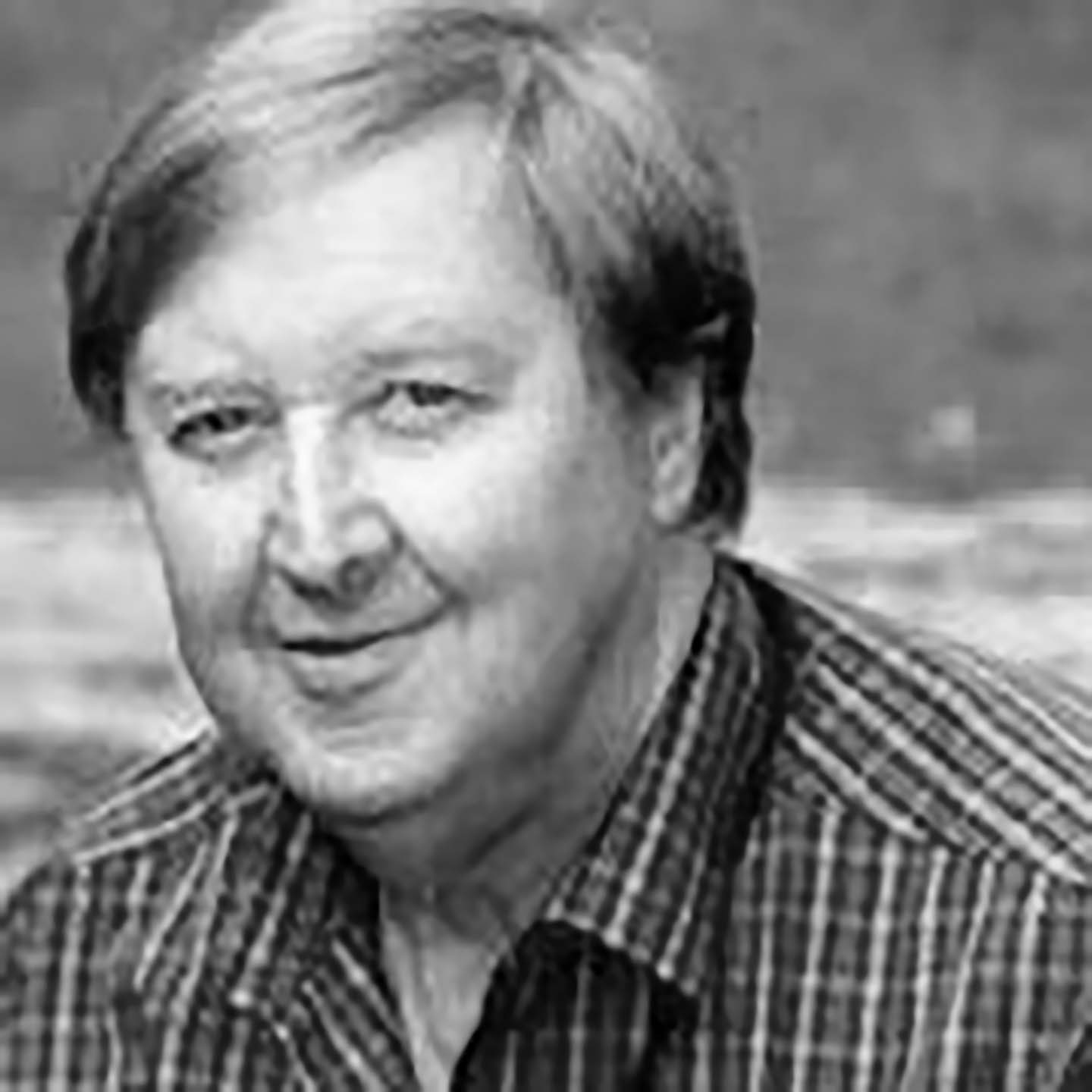
Rev William Thomas Snelson
Parents
| Father | Samuel Lake Snelson (b. 1906, d. 26 February 1963) |
| Mother | Dorothy Vida Shaw (b. 13 October 1913, d. January 1987) |
Main Events
| Note | Event Memos from GEDCOM Import... Obituary 08 January 2021 Roger Arguile writes in The Church Times:- IN CONVERSATION with Bill Snelson, a former General Secretary of Churches Together in England, on a matter of mutual concern, one might encounter a thoughtful stare which might then soften to an imperceptibly emerging smile. There may be no recipe for success in the complex task of ecumenism, but, if anyone could make progress by his ability to question, to encompass, and to engage, it was Bill. William Snelson was born in Chester in 1945, moving to Birkenhead at the age of five. His first degree at Exeter College, Oxford, was followed by his ordination training at Westcott House, and a degree at Fitzwilliam College, Cambridge. Ordained deacon in 1969, he served his title in Godalming and then at Leeds Parish Church (now Leeds Minster) under Graham Foley. Aged 33, in his first incumbency at Allerton, he suffered an aortic aneurism, usually fatal. In 1991, he was told that he would probably drop dead in the street without further surgery. After a tricky but successful further operation, his surgeon remarked, “We’ve done the plumbing; you do the praying.†It appears to have worked. A second incumbency at Bardsey and East Keswick involved work with local radio. He also set up a multi-faith advisory board, which provided communication skills. In 1986, he was appointed diocesan ecumenical officer and, in 1993, undertook a wider brief for West Yorkshire. His “apprenticeship†there entailed working with three Anglican dioceses, one Roman Catholic diocese, two Methodist districts, Baptist, the United Reformed Church, and the Society of Friends, which he extended to the Black Majority Churches and the Lutheran Church. In 1997, he became General Secretary of Churches Together in England (CTE), a post that he held for 11 years. During that difficult time ecumenically, he produced his book Enriching Communion in which he, eucharistically hearted, argued for a wider understanding of the doctrine. It was, he said, not for his own Church to become “a Eucharistic sectâ€. Advertisement When the Queen’s Golden Jubilee celebrations came two years later, he organised the first ever ecumenical service in St George’s Chapel, Windsor, after which the CTE Presidents signed a personal covenant, witnessed by the Queen. This opened with a statement of uncompromising commitment “to the Triune Godâ€. It was a tribute to him that those bodies that do not adhere to credal statements were able to remain on board. Bill remained rooted in the parish ministry, and while at CTE moved to be in commuting distance of London in St Neots, Cambridgeshire, where he took services in the villages. Later, he was instrumental in the Set All Free project, encouraging appropriate commemoration and learning by the Churches for the 200th anniversary of the abolition of the transatlantic slave trade. And, as CTE approached its 20th anniversary, Bill encouraged a review. Its report, Moving Together, challenged the Churches to continue their journey as pilgrims with Christ, the head of the Church. It was said of his administrative abilities that “Bill wrote minutes of a meeting before it took place! The truth behind that observation is testament to his grasp of the complexities and sensitivities of subjects tackled within Churches Together in England. His ability to create succinct notes was greatly appreciated by busy people engaging with topics and programmes.†Retiring in 2008, he was appointed to the Anglican Centre in Rome, serving for a short time as its interim director. As his successor, Bishop David Moxon, wrote, he combined wit with humility. He retired properly, although still not completely, in 2015. With Beryl, his hugely supportive wife of more than 50 years, he moved to Knaresborough. There, he served wherever asked, until he was suddenly stricken by a particularly painful cancer, which he bore uncomplainingly. His funeral would in other circumstances have been a large occasion. As it was, it was very personal and ecumenical. He would have wished for no other. He died on 17 December aged 75, and is survived by Beryl, children, Claire and Matthew, and grandchildren, Katy, Emma, Emma, and Harry. 08 January 2021 Roger Arguile writes: IN CONVERSATION with Bill Snelson, a former General Secretary of Churches Together in England, on a matter of mutual concern, one might encounter a thoughtful stare which might then soften to an imperceptibly emerging smile. There may be no recipe for success in the complex task of ecumenism, but, if anyone could make progress by his ability to question, to encompass, and to engage, it was Bill. William Snelson was born in Chester in 1945, moving to Birkenhead at the age of five. His first degree at Exeter College, Oxford, was followed by his ordination training at Westcott House, and a degree at Fitzwilliam College, Cambridge. Ordained deacon in 1969, he served his title in Godalming and then at Leeds Parish Church (now Leeds Minster) under Graham Foley. Aged 33, in his first incumbency at Allerton, he suffered an aortic aneurism, usually fatal. In 1991, he was told that he would probably drop dead in the street without further surgery. After a tricky but successful further operation, his surgeon remarked, “We’ve done the plumbing; you do the praying.†It appears to have worked. A second incumbency at Bardsey and East Keswick involved work with local radio. He also set up a multi-faith advisory board, which provided communication skills. In 1986, he was appointed diocesan ecumenical officer and, in 1993, undertook a wider brief for West Yorkshire. His “apprenticeship†there entailed working with three Anglican dioceses, one Roman Catholic diocese, two Methodist districts, Baptist, the United Reformed Church, and the Society of Friends, which he extended to the Black Majority Churches and the Lutheran Church. In 1997, he became General Secretary of Churches Together in England (CTE), a post that he held for 11 years. During that difficult time ecumenically, he produced his book Enriching Communion in which he, eucharistically hearted, argued for a wider understanding of the doctrine. It was, he said, not for his own Church to become “a Eucharistic sectâ€. Advertisement When the Queen’s Golden Jubilee celebrations came two years later, he organised the first ever ecumenical service in St George’s Chapel, Windsor, after which the CTE Presidents signed a personal covenant, witnessed by the Queen. This opened with a statement of uncompromising commitment “to the Triune Godâ€. It was a tribute to him that those bodies that do not adhere to credal statements were able to remain on board. Bill remained rooted in the parish ministry, and while at CTE moved to be in commuting distance of London in St Neots, Cambridgeshire, where he took services in the villages. Later, he was instrumental in the Set All Free project, encouraging appropriate commemoration and learning by the Churches for the 200th anniversary of the abolition of the transatlantic slave trade. And, as CTE approached its 20th anniversary, Bill encouraged a review. Its report, Moving Together, challenged the Churches to continue their journey as pilgrims with Christ, the head of the Church. It was said of his administrative abilities that “Bill wrote minutes of a meeting before it took place! The truth behind that observation is testament to his grasp of the complexities and sensitivities of subjects tackled within Churches Together in England. His ability to create succinct notes was greatly appreciated by busy people engaging with topics and programmes.†Retiring in 2008, he was appointed to the Anglican Centre in Rome, serving for a short time as its interim director. As his successor, Bishop David Moxon, wrote, he combined wit with humility. He retired properly, although still not completely, in 2015. With Beryl, his hugely supportive wife of more than 50 years, he moved to Knaresborough. There, he served wherever asked, until he was suddenly stricken by a particularly painful cancer, which he bore uncomplainingly. His funeral would in other circumstances have been a large occasion. As it was, it was very personal and ecumenical. He would have wished for no other. He died on 17 December aged 75, and is survived by Beryl, children, Claire and Matthew, and grandchildren, Katy, Emma, Emma, and Harry. |
| User Reference Number | William Thomas Snelson; 752 |
| Biography | The following appeared in a 1993 announcement under Church News :- " The Reverend Bill Snelson, Vicar, Bardsey, and Diocesan Ecumenical Officer (Ripon): to be West Yorkshire County Ecumenical Officer (Ripon). [:ITAL] Ex Coll Oxford B.A. 1969, Fitzwilliam College Cambridgeshire B.A. 1969, Westcott House Cambridge 1967, Deacon 1969 Dorking, Godalming Diocese Guildford.[:CR:]. |
| He had the email address development@anglicancentre.it. | |
| Obituary | Obituary: See notes. |
| Education | He was educated in Cambridge University Westcott College. |
| Education | He was educated in Oxhord University Exeter College. |
| Birth | He was born in 1945 in Chester, England. |
| Education | He was educated in Birkenhead between 1956 and 1962 Rock Ferry High School. |
| His father Samuel Lake Snelson died on 26 February 1963 in Birkenhead. | |
| His mother Dorothy Vida Shaw died in January 1987 in Birkenhead. | |
| Residence | William Thomas Snelson resided in The Vicarage, Bardsey, Leeds, Yorkshire, in 1992. |
| Biography | Reported in the Leeds Weekly News ... "A north Leeds Vicar is to be made the next ecumenical officer for West Yorkshire. The Rev Bill Snelson vicar of Bardsey for the last 12 years has also been the adviser on inter-church matters to the Bishop of Ripn for the last five years". |
| Occupation | He was a Vicar in Bardsey, Leeds, in 1994. |
| Residence | He resided in 17 Falcon Close, Otley LS21 3EG 44-943-466820, Yorkshire, in 1994. |
| Occupation | He was a County Ecumenical Officer in W. Yorkshire Ecumenical Council, Bradford, in 1995. |
| Occupation | He was a General Secretary, Churches Together in England between 1997 and 2007. |
| Publicatio | He; 2011; Details for Future Church Unitied In A Common Life? a talk by Rev Bill Snelson Author / Artist Rev Bill Snelson Format CD Publisher Essential Christian (September 2011) ISBN CREX05004D |
| Death | He died on 17 December 2020, at age ~75, in Knaresborough, Yorkshire & Humberside, England. |
Wilfred Irwin Hawken
M, #16123, Deceased, b. 23 September 1900, d. 1981
Interactive Pedigree Button
Family: Mona Astin
| Daughter | Mary Hawken (b. 17 January 1926, d. 16 July 1998) |
Main Events
| User Reference Number | Wilfred Irwin Hawken; 22362 |
| Birth | He was born on 23 September 1900 in Devonport, Devon. |
| Marriage | Wilfred Irwin Hawken and Mona Astin were married in 1923 in Registry Office, Burnley. |
| His daughter Mary Hawken was born on 17 January 1926 in Burnley. | |
| Occupation | He was a builder in 1946. |
| Death | He died in 1981, at age ~81, in Plymouth, Cornwall. |