Dr. Douglass Houghton M.D.1,2,3,4,5
M, #8491, b. 21 September 1809, d. 13 October 1845
- Father*: Judge Jacob Houghton b. 15 Feb 1777, d. 30 Jul 1861
- Mother*: Lydia Douglass6 b. 10 Dec 1780, d. 2 Jan 1872
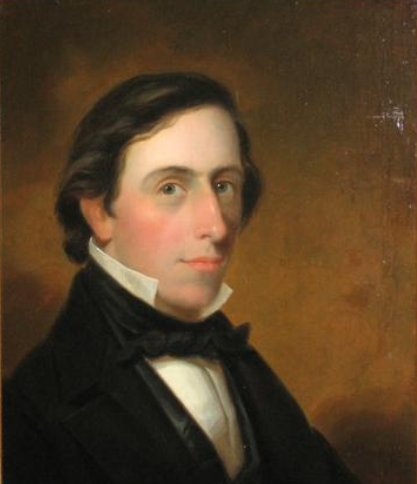
Family: Harriet Stevens b. 3 Nov 1809, d. 10 Aug 1869
- Marriage*: Dr. Douglass Houghton M.D. married Harriet Stevens on Oct 9, 1833 at Fredonia, NY, USA, MLM: Sept. 10, 1833.6,17,10,11,12,18
- Harriet Douglass Houghton+13 b. 8 Jun 1837, d. 18 Jan 1921
- Mary Houghton+ b. 30 Oct 1840, d. 17 Jun 1920
- Catherine Houghton16 b. 21 Oct 1841, d. 15 Apr 1842
Citations
- [S1] Dr. John Wesley Houghton M.D., Houghton Genealogy of 1912, p. 366 #821.
- [S111] Who Was Who, p. 261.
- [S814] Marshall L. McClanahan, Houghton, John & Beatrix - MLM;, M, p. 87 #2964.
- [S1055] Norman C. Caldwell, Surveyors of the Public Lands in Michigan, p. 201-204.
- [S1157] Dumas Malone, American Biography Dict. Vol. 5, p. 254-255.
- [S1] Dr. John Wesley Houghton M.D., Houghton Genealogy of 1912, p. 366.
- [S768] Unknown author Cyclopaedia of Amer. Biog. III, p. 271.
- [S779] Unknown author Encyclopedia of Amer. Biog., Herringshaw's, p. 499.
- [S810] Earl Cranston Am. Biog. Libr.: Notable Amer., V.
- [S814] Marshall L. McClanahan, Houghton, John & Beatrix - MLM;, M, p. 87.
- [S1055] Norman C. Caldwell, Surveyors of the Public Lands in Michigan, p. 201.
- [S1116] Lois Barris, Fredonia NY Censor Death Notices 1819-1899, p. 282.
- [S1119] Andrew W. Young, Chautauqua Co. NY Hx 2, p. 487.
- [S1384] Alvah Bradish, Memoirs of Doughlass Houghton, p. 9.
- [S1119] Andrew W. Young, Chautauqua Co. NY Hx 2, p. 611.
- [S1055] Norman C. Caldwell, Surveyors of the Public Lands in Michigan, p. 202.
- [S28] DAR Lineage Book, 63:114.
- [S401] Interview by phone with Judy Lena, Sep 9, 2003: She has possession of Doughlass Houghton's journal.
- [S1225] 1840 U.S. Federal Census , Detroit, Wayne, Michigan; Roll: 212; Page: 168.
- [S1055] Norman C. Caldwell, Surveyors of the Public Lands in Michigan, p. 203.
- [S923] " Knights Templar, "Dr. Douglass Houghton, Explorer and Masonic Mediator", p. 23.
- [S768] Unknown author Cyclopaedia of Amer. Biog. III.
- [S654] Electronic Web Site, , http://en.wikipedia.org/wiki/Douglass_Houghton
- [S654] Electronic Web Site, , American Antiquarian Society Online Catalog: http://catalog.mwa.org/
- [S1384] Alvah Bradish, Memoirs of Doughlass Houghton.
Richard Henry Houghton1,2
M, #8492, b. 29 June 1812, d. 12 September 1834
- Father*: Judge Jacob Houghton b. 15 Feb 1777, d. 30 Jul 1861
- Mother*: Lydia Douglass b. 10 Dec 1780, d. 2 Jan 1872
Citations
- [S1] Dr. John Wesley Houghton M.D., Houghton Genealogy of 1912, p. 367 #822.
- [S814] Marshall L. McClanahan, Houghton, John & Beatrix - MLM;, M, p. 88 #2965.
- [S1] Dr. John Wesley Houghton M.D., Houghton Genealogy of 1912, p. 367.
- [S814] Marshall L. McClanahan, Houghton, John & Beatrix - MLM;, M, p. 88.
- [S1119] Andrew W. Young, Chautauqua Co. NY Hx 2, p. 487.
- [S1384] Alvah Bradish, Memoirs of Doughlass Houghton, p. 9.
- [S1384] Alvah Bradish, Memoirs of Doughlass Houghton, p. 10.
- [S1384] Alvah Bradish, Memoirs of Doughlass Houghton, p. 11.
Lydia Douglass Houghton1,2
F, #8493, b. 20 July 1815, d. 6 May 1902
- Father*: Judge Jacob Houghton3 b. 15 Feb 1777, d. 30 Jul 1861
- Mother*: Lydia Douglass3 b. 10 Dec 1780, d. 2 Jan 1872
Family: Prof. Alvah Bradish b. 4 Sep 1806, d. 20 Apr 1901
- Marriage*: Lydia Douglass Houghton married Prof. Alvah Bradish on Sep 25, 1839 at Fredonia, Chautauqua Co., NY, USA.4,8,6,3
- Sarah Houghton Bradish7 b. 19 Jul 1840, d. 17 May 1912
- Mary Lydia Bradish9 b. 11 Apr 1852
- Alice Theodosia Bradish b. 23 Feb 1854
Citations
- [S1] Dr. John Wesley Houghton M.D., Houghton Genealogy of 1912, p. 367 #823.
- [S814] Marshall L. McClanahan, Houghton, John & Beatrix - MLM;, M, p. 88 #2966.
- [S1119] Andrew W. Young, Chautauqua Co. NY Hx 2, p. 487.
- [S1] Dr. John Wesley Houghton M.D., Houghton Genealogy of 1912, p. 367.
- [S28] DAR Lineage Book, Vol. 80, p. 187.
- [S814] Marshall L. McClanahan, Houghton, John & Beatrix - MLM;, M, p. 88.
- [S1226] 1850 U.S. Federal Census , Pomfret, Chautauqua, New York; Roll: M432_485; Page: 232; line 34, dwl 725-747.
- [S28] DAR Lineage Book, 80:186.
- [S1516] 1855 State Census , New York, State Census, 1855 [database on-line]. Provo, UT, USA: Ancestry.com Operations, Inc., 2013.
Sarah Douglass Houghton1,2
F, #8494, b. 7 December 1817, d. 30 August 1840
- Father*: Judge Jacob Houghton3,4 b. 15 Feb 1777, d. 30 Jul 1861
- Mother*: Lydia Douglass3 b. 10 Dec 1780, d. 2 Jan 1872
Citations
- [S1] Dr. John Wesley Houghton M.D., Houghton Genealogy of 1912, p. 367 #824.
- [S814] Marshall L. McClanahan, Houghton, John & Beatrix - MLM;, M, p. 88 #2967.
- [S1116] Lois Barris, Fredonia NY Censor Death Notices 1819-1899, p. 282.
- [S1119] Andrew W. Young, Chautauqua Co. NY Hx 2, p. 487.
- [S1] Dr. John Wesley Houghton M.D., Houghton Genealogy of 1912, p. 367.
- [S814] Marshall L. McClanahan, Houghton, John & Beatrix - MLM;, M, p. 88.
- [S654] Electronic Web Site, , http://interment.net/data/us/ny/chautauqua/foresthill/…
Alexander Houghton1,2
M, #8495, b. 15 July 1820, d. 22 December 1906
- Father*: Judge Jacob Houghton b. 15 Feb 1777, d. 30 Jul 1861
- Mother*: Lydia Douglass b. 10 Dec 1780, d. 2 Jan 1872
Citations
- [S1] Dr. John Wesley Houghton M.D., Houghton Genealogy of 1912, p. 367 #825.
- [S814] Marshall L. McClanahan, Houghton, John & Beatrix - MLM;, M, p. 88 #2968.
- [S1] Dr. John Wesley Houghton M.D., Houghton Genealogy of 1912, p. 367.
- [S235] U.S. Census, 1900 US Census, Fredonia, NY, Vol. 200, ED 155.
- [S814] Marshall L. McClanahan, Houghton, John & Beatrix - MLM;, M, p. 88.
- [S1119] Andrew W. Young, Chautauqua Co. NY Hx 2, p. 487.
- [S1228] 1870 U.S. Federal Census , Fredonia, Chautauqua Co., NY, Roll 913, p. 564, line 1, dwl 432-443.
- [S1229] 1880 U.S. Federal Census , Fredonia, Chautauqua, New York; Roll: T9_816; Family History Film: 1254816; Page: 539D; Enumeration District: 66; sheet 48, line 21, dwl 2-495.
- [S235] U.S. Census, 1900 US Census, Fredonia, NY, Vol. 20, ED 120.
- [S1230] 1900 U.S. Federal Census , Pomfret, Chautauqua Co., New York; Roll: T623 1015; Enumeration District: 120; Sheet 21A; line 15, dwl 48.
- [S654] Electronic Web Site, , http://interment.net/data/us/ny/chautauqua/foresthill/…
William Houghton1,2
M, #8496
- Father*: Judge Jacob Houghton3 b. 15 Feb 1777, d. 30 Jul 1861
- Mother*: Lydia Douglass b. 10 Dec 1780, d. 2 Jan 1872
Citations
- [S1] Dr. John Wesley Houghton M.D., Houghton Genealogy of 1912, p. 367 #826.
- [S814] Marshall L. McClanahan, Houghton, John & Beatrix - MLM;, M, p. 88 #2969.
- [S1119] Andrew W. Young, Chautauqua Co. NY Hx 2, p. 487.
- [S814] Marshall L. McClanahan, Houghton, John & Beatrix - MLM;, M, p. 88.
Theodore Houghton1,2
M, #8497, b. 22 June 1824, d. 29 January 1825
- Father*: Judge Jacob Houghton3 b. 15 Feb 1777, d. 30 Jul 1861
- Mother*: Lydia Douglass b. 10 Dec 1780, d. 2 Jan 1872
Citations
- [S1] Dr. John Wesley Houghton M.D., Houghton Genealogy of 1912, p. 367 #827.
- [S814] Marshall L. McClanahan, Houghton, John & Beatrix - MLM;, M, p. 88 #2970.
- [S1116] Lois Barris, Fredonia NY Censor Death Notices 1819-1899, p. 282.
- [S654] Electronic Web Site, , http://interment.net/data/us/ny/chautauqua/foresthill/…
Jacob Houghton Jr1,2
M, #8498, b. 28 May 1827, d. 28 April 1903
- Father*: Judge Jacob Houghton b. 15 Feb 1777, d. 30 Jul 1861
- Mother*: Lydia Douglass b. 10 Dec 1780, d. 2 Jan 1872
Family: Theodosia Petite Gilett b. bt 1832 - 1836, d. 6 Feb 1898
- Marriage*: Jacob Houghton Jr married Theodosia Petite Gilett on Apr 28, 1853.3,7,5
- Mary Lydia Houghton b. 30 Apr 1854
- Theodocia G. Houghton b. 18 Dec 1856, d. 28 Nov 1887
- Philip Stanhope Houghton+ b. 6 Apr 1860
- Douglass G. Houghton b. 31 Jan 1863
- Sarah Frances Houghton b. 9 May 1865
- Annie Gilette Houghton b. 17 Jan 1868
- Annie Houghton16 b. Oct 1872
- Sadie Houghton16 b. May 1873
Citations
- [S1] Dr. John Wesley Houghton M.D., Houghton Genealogy of 1912, p. 367 #828.
- [S814] Marshall L. McClanahan, Houghton, John & Beatrix - MLM;, M, p. 88 #2971, 135 #2900.
- [S1] Dr. John Wesley Houghton M.D., Houghton Genealogy of 1912, p. 367.
- [S814] Marshall L. McClanahan, Houghton, John & Beatrix - MLM;, M, p. 88.
- [S1119] Andrew W. Young, Chautauqua Co. NY Hx 2, p. 487.
- [S1226] 1850 U.S. Federal Census , Detroit, Wayne, Michigan; Roll: M432_365; Page: 24/ p. 47, line 40.
- [S814] Marshall L. McClanahan, Houghton, John & Beatrix - MLM;, M, p. 88, 135.
- [S1227] 1860 U.S. Federal Census , Detroit Ward 1, Wayne, Michigan; Roll: M653_565; Page: 27; line 1, dwl 210-215.
- [S1228] 1870 U.S. Federal Census , Detroit, Wayne Co., MI, Reel 713, p. 384, line 23, dwl 868-889.
- [S96] NEHGR, 34 [1880]:332.
- [S235] U.S. Census, 1880 Soundex, Park, Park Co., CO, Reel 3, Vol. 4, ED. 96, Sh. 17, Ln. 13.
- [S882] Ancestry.Com, online www.ancestry.com, CO 1880 Federal Census Index, Dudley, 13th Prect, Park Co., CO, p. 209.
- [S882] Ancestry.Com, online www.ancestry.com, Park, Park Co., CO, Roll: T9_92; Family History Film: 1254092; Page: 209A; Reel 3, Vol. 4, ED. 96, Sh. 17, Ln. 13,.
- [S1229] 1880 U.S. Federal Census , Park, Park Co., CO, Roll: T9_92; Family History Film: 1254092; Page: 209A; Reel 3, Vol. 4, ED. 96, Sh. 17, Ln. 13.
- [S1229] 1880 U.S. Federal Census , Detroit, Wayne, Michigan; Roll: T9_612; Family History Film: 1254612; Page: 264A; Enumeration District: 282; sheet 5, line 15, dwl 51-38-43.
- [S235] U.S. Census, 1900 Soundex, Detroit, Wayne Co., MI, Reel 92, V. 77, E.D. 4, S. 19, Ln. 30.
- [S1230] 1900 U.S. Federal Census , Detroit, Ward 1, Wayne Co., Michigan; Roll:T623; Enumeration District: 4; Sheet: 19A; line 30, dwl 51-312-330.
- [S1055] Norman C. Caldwell, Surveyors of the Public Lands in Michigan, p. 202.
Harriet Stevens1
F, #8499, b. 3 November 1809, d. 10 August 1869
Family 1: Dr. Douglass Houghton M.D. b. 21 Sep 1809, d. 13 Oct 1845
- Marriage*: Harriet Stevens married Dr. Douglass Houghton M.D., son of Judge Jacob Houghton and Lydia Douglass, on Oct 9, 1833 at Fredonia, NY, USA, MLM: Sept. 10, 1833.4,5,6,3,7,8
- Harriet Douglass Houghton+ b. 8 Jun 1837, d. 18 Jan 1921
- Mary Houghton+ b. 30 Oct 1840, d. 17 Jun 1920
- Catherine Houghton11 b. 21 Oct 1841, d. 15 Apr 1842
Family 2: Rev. R. R. Richards
- Marriage*: Harriet Stevens married Rev. R. R. Richards.
Citations
- [S1] Dr. John Wesley Houghton M.D., Houghton Genealogy of 1912, p. 366 #821s.
- [S1232] 1920 U.S. Federal Census , Santa Fe, Santa Fe Co., NM, Reel T625_1080, ED 130, SD 219, Sh. 1B, line 78, dwl 234-24-28.
- [S1055] Norman C. Caldwell, Surveyors of the Public Lands in Michigan, p. 201.
- [S1] Dr. John Wesley Houghton M.D., Houghton Genealogy of 1912, p. 366.
- [S28] DAR Lineage Book, 63:114.
- [S814] Marshall L. McClanahan, Houghton, John & Beatrix - MLM;, M, p. 87.
- [S1116] Lois Barris, Fredonia NY Censor Death Notices 1819-1899, p. 282.
- [S401] Interview by phone with Judy Lena, Sep 9, 2003: She has possession of Doughlass Houghton's journal.
- [S904] Houghton Family Records;, no page, letter, Dec. 15, 1853, to Francis W. Houghton from town county clerk of Saginaw City, MI.
- [S1384] Alvah Bradish, Memoirs of Doughlass Houghton, p. 61.
- [S1055] Norman C. Caldwell, Surveyors of the Public Lands in Michigan, p. 202.
Harriet Douglass Houghton1,2
F, #8500, b. 8 June 1837, d. 18 January 1921
- Father*: Dr. Douglass Houghton M.D.3 b. 21 Sep 1809, d. 13 Oct 1845
- Mother*: Harriet Stevens b. 3 Nov 1809, d. 10 Aug 1869
Family: Franklin Embury Morgan b. 9 Jun 1836, d. 10 Jun 1918
- Marriage*: Harriet Douglass Houghton married Franklin Embury Morgan.3
- Franklin William Morgan4 b. 7 Sep 1864
- Harriet Isabella Belle Morgan4 b. 21 Nov 1867
- John Lloyd Morgan5 b. 4 Aug 1871
- Edward Houghton Morgan+ b. 27 Oct 1873, d. 26 Jan 1960
- Richard E. Morgan5 b. c 1878
Citations
- [S1] Dr. John Wesley Houghton M.D., Houghton Genealogy of 1912, p. 367 #821c.
- [S1055] Norman C. Caldwell, Surveyors of the Public Lands in Michigan, p. 202.
- [S1119] Andrew W. Young, Chautauqua Co. NY Hx 2, p. 487.
- [S1228] 1870 U.S. Federal Census , Coldwater Ward 4, Branch, Michigan; Roll: M593_665; Page: 174; line 3, dwl 9-9.
- [S1229] 1880 U.S. Federal Census , Coldwater, Branch, Michigan; Roll: T9_573; Family History Film: 1254573; Page: 573.3000; Enumeration District: 30; line 4, dwl 105-111.
Mary Houghton1
F, #8501, b. 30 October 1840, d. 17 June 1920
- Father*: Dr. Douglass Houghton M.D. b. 21 Sep 1809, d. 13 Oct 1845
- Mother*: Harriet Stevens b. 3 Nov 1809, d. 10 Aug 1869
Family: Dr. William Smith Harroun b. c 1837
- Marriage*: Mary Houghton married Dr. William Smith Harroun on May 18, 1864 at Ann Arbor, Washtenaw Co., MI, USA, Lena: 18 May 1864; Married
19 Oct 1864
At Ann Arbor, Mich., May 20th, by Rev R. R. Richards, WM. HARROWN, M.D., of Washington, DC to Miss MARY, youngest daughter of the late DOUGLASS HOUGHTON, MD of Detroit, Mich., and grand-daughter of the late Judge Houghton of this village.5,4
- William Richards Harroun4 b. 26 Mar 1865, d. 18 Jun 1865
- Philip Embury Harroun+4 b. 14 Jul 1866
- Douglass Houghton Harroun+4 b. 11 Apr 1868
- John Paul Harroun4 b. 13 Mar 1875, d. 13 Jan 1882
Citations
- [S1] Dr. John Wesley Houghton M.D., Houghton Genealogy of 1912, p. 367 #821c.
- [S28] DAR Lineage Book, V. 63, p. 114.
- [S1055] Norman C. Caldwell, Surveyors of the Public Lands in Michigan, p. 202.
- [S401] Interview by phone with Judy Lena, Sep 9, 2003: She has possession of Doughlass Houghton's journal.
- [S28] DAR Lineage Book, Vol. 63, p. 113.
- [S1232] 1920 U.S. Federal Census , Santa Fe, Santa Fe Co., NM, Reel T625_1080, ED 130, SD 219, Sh. 1B, line 78, dwl 234-24-28.
Catherine Houghton1,2
F, #8502, b. 21 October 1841, d. 15 April 1842
- Father*: Dr. Douglass Houghton M.D.1 b. 21 Sep 1809, d. 13 Oct 1845
- Mother*: Harriet Stevens1 b. 3 Nov 1809, d. 10 Aug 1869
Prof. Alvah Bradish1,2,3,4
M, #8503, b. 4 September 1806, d. 20 April 1901
Family: Lydia Douglass Houghton b. 20 Jul 1815, d. 6 May 1902
- Marriage*: Prof. Alvah Bradish married Lydia Douglass Houghton, daughter of Judge Jacob Houghton and Lydia Douglass, on Sep 25, 1839 at Fredonia, Chautauqua Co., NY, USA.5,6,7,8
- Sarah Houghton Bradish3 b. 19 Jul 1840, d. 17 May 1912
- Mary Lydia Bradish10 b. 11 Apr 1852
- Alice Theodosia Bradish b. 23 Feb 1854
Citations
- [S1] Dr. John Wesley Houghton M.D., Houghton Genealogy of 1912, p. 367 #823s.
- [S28] DAR Lineage Book, Vol. 80, p. 186.
- [S1226] 1850 U.S. Federal Census , Pomfret, Chautauqua, New York; Roll: M432_485; Page: 232; line 34, dwl 725-747.
- [S1384] Alvah Bradish, Memoirs of Doughlass Houghton, p. 1.
- [S1] Dr. John Wesley Houghton M.D., Houghton Genealogy of 1912, p. 367.
- [S28] DAR Lineage Book, 80:186.
- [S814] Marshall L. McClanahan, Houghton, John & Beatrix - MLM;, M, p. 88.
- [S1119] Andrew W. Young, Chautauqua Co. NY Hx 2, p. 487.
- [S95] Newspaper, New York Times Archives: May 19, 1912.
- [S1516] 1855 State Census , New York, State Census, 1855 [database on-line]. Provo, UT, USA: Ancestry.com Operations, Inc., 2013.
- [S654] Electronic Web Site, , American Antiquarian Society Online Catalog: http://catalog.mwa.org/
- [S1384] Alvah Bradish, Memoirs of Doughlass Houghton.
Alice Theodosia Bradish1
F, #8504, b. 23 February 1854
- Father*: Prof. Alvah Bradish b. 4 Sep 1806, d. 20 Apr 1901
- Mother*: Lydia Douglass Houghton b. 20 Jul 1815, d. 6 May 1902
Citations
- [S1] Dr. John Wesley Houghton M.D., Houghton Genealogy of 1912, p. 367 #823c.
Sarah Houghton Bradish1,2,3,4
F, #8505, b. 19 July 1840, d. 17 May 1912
- Father*: Prof. Alvah Bradish4 b. 4 Sep 1806, d. 20 Apr 1901
- Mother*: Lydia Douglass Houghton4 b. 20 Jul 1815, d. 6 May 1902
Family: Edward Swart
- Marriage*: Sarah Houghton Bradish married Edward Swart on Apr 24, 1867 MLM: 1839.3,2
Citations
- [S1] Dr. John Wesley Houghton M.D., Houghton Genealogy of 1912, p. 367 #823c.
- [S814] Marshall L. McClanahan, Houghton, John & Beatrix - MLM;, M, p. 88.
- [S28] DAR Lineage Book, 80:186.
- [S1226] 1850 U.S. Federal Census , Pomfret, Chautauqua, New York; Roll: M432_485; Page: 232; line 34, dwl 725-747.
- [S1226] 1850 U.S. Federal Census , Pomfret, Chautauqua, New York; Roll: M432_485; Page: 232; line 34, dwl 725-749.
- [S95] Newspaper, New York Times Archives: May 19, 1912.
Theodosia Petite Gilett1
F, #8506, b. between 1832 and 1836, d. 6 February 1898
Family: Jacob Houghton Jr b. 28 May 1827, d. 28 Apr 1903
- Marriage*: Theodosia Petite Gilett married Jacob Houghton Jr, son of Judge Jacob Houghton and Lydia Douglass, on Apr 28, 1853.4,5,6
- Mary Lydia Houghton b. 30 Apr 1854
- Theodocia G. Houghton b. 18 Dec 1856, d. 28 Nov 1887
- Philip Stanhope Houghton+ b. 6 Apr 1860
- Douglass G. Houghton b. 31 Jan 1863
- Sarah Frances Houghton b. 9 May 1865
- Annie Gilette Houghton b. 17 Jan 1868
- Annie Houghton11 b. Oct 1872
- Sadie Houghton11 b. May 1873
Citations
- [S1116] Lois Barris, Fredonia NY Censor Death Notices 1819-1899, p. 282.
- [S1055] Norman C. Caldwell, Surveyors of the Public Lands in Michigan, p. 202.
- [S235] U.S. Census, 1870 US Federal Census, Detroit, Wayne Co., MI, Reel 713, p. 384, line 23, dwl 868-889.
- [S1] Dr. John Wesley Houghton M.D., Houghton Genealogy of 1912, p. 367.
- [S814] Marshall L. McClanahan, Houghton, John & Beatrix - MLM;, M, p. 88, 135.
- [S1119] Andrew W. Young, Chautauqua Co. NY Hx 2, p. 487.
- [S1227] 1860 U.S. Federal Census , Detroit Ward 1, Wayne, Michigan; Roll: M653_565; Page: 27; line 1, dwl 210-215.
- [S1228] 1870 U.S. Federal Census , Detroit, Wayne Co., MI, Reel 713, p. 384, line 23, dwl 868-889.
- [S1229] 1880 U.S. Federal Census , Detroit, Wayne, Michigan; Roll: T9_612; Family History Film: 1254612; Page: 264A; Enumeration District: 282; sheet 5, line 15, dwl 51-38-43.
- [S814] Marshall L. McClanahan, Houghton, John & Beatrix - MLM;, M, p. 88.
- [S235] U.S. Census, 1900 Soundex, Detroit, Wayne Co., MI, Reel 92, V. 77, E.D. 4, S. 19, Ln. 30.
Jane Catherine Billings1,2
F, #8507, b. 31 May 1821, d. 28 November 1863
Family: Lawrence Stearns Houghton b. 28 Jan 1815, d. 15 Dec 1865
- Marriage*: Jane Catherine Billings married Lawrence Stearns Houghton, son of Daniel Stearns Houghton and Lydia Cook Cushing, on Dec 26, 1841 at Vicksburg, MS, USA, MLM, Chapman, Hargis: Dec. 29.4,2,3,5,6,7
- Henrietta Victorine Houghton10,6 b. 16 Nov 1842, d. 29 Sep 1853
- Theodosia Fredonia Houghton+10 b. 28 Aug 1844
- Sarah Lavinia Houghton+ b. 10 May 1846
- Ada Ella Houghton10 b. 5 Dec 1847, d. 9 Dec 1850
- Harriet Antonette Houghton10,8 b. 21 Mar 1850
- Kate Irene Houghton6 b. 16 Nov 1851, d. 4 Mar 1856
- Douglass Houghton b. 31 Mar 1854, d. 15 Nov 1932
- Almira Olivia Houghton b. 30 Jul 1856, d. 6 Feb 1938
- Frances Ayer Houghton+ b. 6 Jul 1859
- Laura Winona Houghton b. 21 Jun 1861, d. 19 Jul 1863
- Lydia Billings Houghton7 b. 8 Nov 1863, d. 8 Nov 1863
Citations
- [S1] Dr. John Wesley Houghton M.D., Houghton Genealogy of 1912, p. 367 #829s.
- [S96] NEHGR, 136 [1982]: 165.
- [S415] E-mail from Cheryl Ann Hargis, March 13, 2000.
- [S1] Dr. John Wesley Houghton M.D., Houghton Genealogy of 1912, p. 367.
- [S814] Marshall L. McClanahan, Houghton, John & Beatrix - MLM;, M, p. 88, 135.
- [S1116] Lois Barris, Fredonia NY Censor Death Notices 1819-1899, p. 282.
- [S1313] A.M. Rev. F. W. Chapman, Buckingham Family.
- [S1226] 1850 U.S. Federal Census , Vicksburg, Warren, Mississippi; Roll: M432_382; Page: 192/p. 372, line 17, dwl 372-388.
- [S1227] 1860 U.S. Federal Census , Vicksburg, Warren, Mississippi; Roll: M653_592; Page: 1, sheet 889, line 1, dwl 1-1.
- [S1076] Rootsweb.Com, online www.rootsweb.com, Warren, MS 1850 census, p. 192B, line 17, www.rootsweb.com/~cenfiles/ms/warren/1850, July 17, 2002.
Laurens Green Risley1,2,3
M, #8508, b. 27 March 1819, d. January 1893
Family: Henrietta Elizabeth Houghton b. 8 Jul 1821, d. 6 Feb 1897
- Marriage*: Laurens Green Risley married Henrietta Elizabeth Houghton, daughter of Daniel Stearns Houghton and Lydia Cook Cushing, on Jun 7, 1842 w/2.5,2,3
- Evelyn Risley2 b. 26 Feb 1843, d. 15 Jul 1890
- George Herbert Risley7 b. 13 Apr 1847
Citations
- [S1] Dr. John Wesley Houghton M.D., Houghton Genealogy of 1912, p. 367 #831s.
- [S814] Marshall L. McClanahan, Houghton, John & Beatrix - MLM;, M, p. 88.
- [S1119] Andrew W. Young, Chautauqua Co. NY Hx 2, p. 490.
- [S1227] 1860 U.S. Federal Census , Pomfret, Chautauqua Co., New York; Microfilm: M653; Page: 181, line 15, dwl 1431-1386.
- [S1] Dr. John Wesley Houghton M.D., Houghton Genealogy of 1912, p. 367.
- [S1313] A.M. Rev. F. W. Chapman, Buckingham Family, #2425.
- [S1313] A.M. Rev. F. W. Chapman, Buckingham Family.
Jerusha Houghton1,2,3
F, #8509, b. 9 May 1776, d. 21 February 1846
- Father*: Pharas Houghton3 b. 26 Jul 1751, d. 13 Feb 1790
- Mother*: Jemima Southworth3 b. 3 Apr 1753, d. 1 Sep 1840
Family: Capt. Daniel Dean b. 4 Oct 1771, d. 10 Oct 1866
- Marriage*: Jerusha Houghton married Capt. Daniel Dean, son of Jeremiah Dean III and Abigail Draper, on Dec 22, 1801 at Petersham, Worcester Co., MA, USA.4,6,5
- Abigail Dean8 b. 5 Dec 1809, d. 8 Feb 1844
- Dr. Seneca F. Dean M.D.9 b. 1816
Citations
- [S1] Dr. John Wesley Houghton M.D., Houghton Genealogy of 1912, p. 368 #832.
- [S814] Marshall L. McClanahan, Houghton, John & Beatrix - MLM;, M, p. 71a #2257, 78/79.
- [S70] Vital Records of Petersham MA, p. 32.
- [S1] Dr. John Wesley Houghton M.D., Houghton Genealogy of 1912, p. 368.
- [S814] Marshall L. McClanahan, Houghton, John & Beatrix - MLM;, M, p. 71a , 78/79.
- [S70] Vital Records of Petersham MA, p. 111.
- [S70] Vital Records of Petersham MA, p. 174.
- [S814] Marshall L. McClanahan, Houghton, John & Beatrix - MLM;, M, p. 71a.
- [S1465] J. B. HOWE & Charles K. Wilder, Petersham MA Natives, p. 73.
Polly Houghton1,2,3
F, #8510, b. 6 April 1778
- Father*: Pharas Houghton3 b. 26 Jul 1751, d. 13 Feb 1790
- Mother*: Jemima Southworth3 b. 3 Apr 1753, d. 1 Sep 1840
Citations
- [S1] Dr. John Wesley Houghton M.D., Houghton Genealogy of 1912, p. 368 #833.
- [S814] Marshall L. McClanahan, Houghton, John & Beatrix - MLM;, M, p. 78/79 #2261.
- [S70] Vital Records of Petersham MA, p. 32.
- [S1] Dr. John Wesley Houghton M.D., Houghton Genealogy of 1912, p. 368.
- [S814] Marshall L. McClanahan, Houghton, John & Beatrix - MLM;, M, p. 78/79.
Esther Houghton1,2,3
F, #8511, b. 13 November 1782
- Father*: Pharas Houghton3 b. 26 Jul 1751, d. 13 Feb 1790
- Mother*: Jemima Southworth3 b. 3 Apr 1753, d. 1 Sep 1840
Family: Joel Hemmingway
- Marriage Bann: Esther Houghton and Joel Hemmingway declared their intentions of marriage on Aug 3, 1806 Petersham, Worcester Co., MA, USA.9,5
- Marriage*: Esther Houghton married Joel Hemmingway on Jan 21, 1807 at Athol, Worcester Co., MA, USA.7,5
Citations
- [S1] Dr. John Wesley Houghton M.D., Houghton Genealogy of 1912, p. 368 #834.
- [S814] Marshall L. McClanahan, Houghton, John & Beatrix - MLM;, M, p. 71a #2259, 78/79.
- [S70] Vital Records of Petersham MA, p. 32.
- [S1] Dr. John Wesley Houghton M.D., Houghton Genealogy of 1912, p. 368.
- [S814] Marshall L. McClanahan, Houghton, John & Beatrix - MLM;, M, p. 78/79.
- [S683] Guardianship File, Worcester, MA.
- [S291] Athol MA VRs, p. 137.
- [S814] Marshall L. McClanahan, Houghton, John & Beatrix - MLM;, M, p. 71a.
- [S70] Vital Records of Petersham MA, p. 111.
Simeon Houghton1,2,3
M, #8512, b. 10 July 1780, d. 2 October 1843
- Father*: Pharas Houghton3 b. 26 Jul 1751, d. 13 Feb 1790
- Mother*: Jemima Southworth3 b. 3 Apr 1753, d. 1 Sep 1840
Family: Rachel Dean b. 19 Nov 1776, d. 19 Jun 1853
- Marriage*: Simeon Houghton married Rachel Dean, daughter of Jeremiah Dean III and Abigail Draper, on Jan 28, 1802 at Petersham, Worcester Co., MA, USA.4,6,5
- Catherine Houghton+13 b. 26 Apr 1805, d. 17 Sep 1897
- Pharez Houghton+9 b. c 1807
- Jemima Houghton9 b. c 1809
- Jeremiah Dean Houghton+9 b. 10 Apr 1813, d. 30 Apr 1886
- Olive Houghton+9 b. 25 Mar 1816, d. 12 Sep 1886
- Esther Houghton9 b. 31 May 1819, d. 4 Feb 1842
Citations
- [S1] Dr. John Wesley Houghton M.D., Houghton Genealogy of 1912, p. 368 #835.
- [S814] Marshall L. McClanahan, Houghton, John & Beatrix - MLM;, M, p. 71a #2258, 78/79.
- [S70] Vital Records of Petersham MA, p. 32.
- [S1] Dr. John Wesley Houghton M.D., Houghton Genealogy of 1912, p. 368.
- [S814] Marshall L. McClanahan, Houghton, John & Beatrix - MLM;, M, p. 71a , 78/79.
- [S70] Vital Records of Petersham MA, p. 111.
- [S1225] 1840 U.S. Federal Census , Delmar, Tioga, Pennsylvania; Roll: 495; Page: 187.
- [S654] Electronic Web Site, , Newspaper Records from Tioga Co. PA Multiple Volumes, abstracted by Ruth Wetherbee, et. al., Sep. 23, 2002.
- [S36] Letter, from David C. Wolff, Dec. 11, 2001, citing Alfred A. Windsor data.
- [S1177] Unknown author, Tioga Co. PA Hx.
- [S415] E-mail from Alfred A. Windsor, Oct. 26, 2002.
- [S814] Marshall L. McClanahan, Houghton, John & Beatrix - MLM;, M, p. 71a.
- [S415] E-mail from Al Windsor, 1997.
Caroline Matilda Houghton1,2,3
F, #8513, b. 8 January 1785, d. 11 April 1863
- Father*: Pharas Houghton2,4 b. 26 Jul 1751, d. 13 Feb 1790
- Mother*: Jemima Southworth2,4 b. 3 Apr 1753, d. 1 Sep 1840
Family: Ithamar Amos Spencer b. 27 Aug 1782, d. 4 Nov 1870
- Marriage*: Caroline Matilda Houghton married Ithamar Amos Spencer on circa 1805 at Maryland, NY, USA.8,9,2,10
- Philip Amos Spencer+11 b. 21 Dec 1806, d. 18 Sep 1887
- Oladyne Spencer+11 b. 7 Jul 1808, d. 3 Feb 1892
- Lucrecia Spencer+11 b. 1810
- Mariah Spencer+11 b. 24 Jan 1811, d. 24 Oct 1880
- Simeon Spencer+11 b. 12 Dec 1813, d. 2 Aug 1879
- Jane Spencer+11 b. 1816, d. 23 Feb 1895
- Philinda Spencer12 b. c 9 Mar 1818, d. 13 Feb 1820
- Armenia Spencer+2 b. 17 Jan 1820, d. 1911
- David Porter Spencer+12 b. 1824, d. 23 Jan 1899
- Adelina Spencer+12 b. 4 Feb 1824, d. 30 Jan 1859
- Electa R. Spencer+12 b. 18 May 1828, d. 2 Aug 1906
Citations
- [S1] Dr. John Wesley Houghton M.D., Houghton Genealogy of 1912, p. 368 #836.
- [S255] Duane Hamilton Hurd, Otsego Co., NY Hx, p. 307.
- [S814] Marshall L. McClanahan, Houghton, John & Beatrix - MLM;, M, p. 78/79 #2260.
- [S70] Vital Records of Petersham MA, p. 32.
- [S1] Dr. John Wesley Houghton M.D., Houghton Genealogy of 1912, p. 368.
- [S814] Marshall L. McClanahan, Houghton, John & Beatrix - MLM;, M, p. 78/79.
- [S683] Guardianship File, Worcester, MA.
- [S28] DAR Lineage Book, 158: 282.
- [S28] DAR Lineage Book, 59: 326.
- [S415] E-mail from Sheila Shutts, 1997.
- [S415] E-mail from Rebecca Stocknow, Aug. 27, 1999.
- [S415] E-mail from Gary L. Heinmiller, Apr. 15, 2000.
Capt. Daniel Dean1,2,3
M, #8514, b. 4 October 1771, d. 10 October 1866
- Father*: Jeremiah Dean III4 b. 24 Oct 1743, d. c 1835
- Mother*: Abigail Draper4
Family: Jerusha Houghton b. 9 May 1776, d. 21 Feb 1846
- Marriage*: Capt. Daniel Dean married Jerusha Houghton, daughter of Pharas Houghton and Jemima Southworth, on Dec 22, 1801 at Petersham, Worcester Co., MA, USA.6,2,7
- Abigail Dean8 b. 5 Dec 1809, d. 8 Feb 1844
- Dr. Seneca F. Dean M.D.3 b. 1816
Citations
- [S1] Dr. John Wesley Houghton M.D., Houghton Genealogy of 1912, p. 368 #832s.
- [S70] Vital Records of Petersham MA, p. 111.
- [S1465] J. B. HOWE & Charles K. Wilder, Petersham MA Natives, p. 73.
- [S415] E-mail from Alfred A. Windsor, Oct. 26, 2002.
- [S70] Vital Records of Petersham MA, p. 20.
- [S1] Dr. John Wesley Houghton M.D., Houghton Genealogy of 1912, p. 368.
- [S814] Marshall L. McClanahan, Houghton, John & Beatrix - MLM;, M, p. 71a , 78/79.
- [S814] Marshall L. McClanahan, Houghton, John & Beatrix - MLM;, M, p. 71a.
Rachel Dean1,2
F, #8515, b. 19 November 1776, d. 19 June 1853
- Father*: Jeremiah Dean III3 b. 24 Oct 1743, d. c 1835
- Mother*: Abigail Draper3
Family: Simeon Houghton b. 10 Jul 1780, d. 2 Oct 1843
- Marriage*: Rachel Dean married Simeon Houghton, son of Pharas Houghton and Jemima Southworth, on Jan 28, 1802 at Petersham, Worcester Co., MA, USA.5,2,6
- Catherine Houghton+4 b. 26 Apr 1805, d. 17 Sep 1897
- Pharez Houghton+4 b. c 1807
- Jemima Houghton4 b. c 1809
- Jeremiah Dean Houghton+4 b. 10 Apr 1813, d. 30 Apr 1886
- Olive Houghton+4 b. 25 Mar 1816, d. 12 Sep 1886
- Esther Houghton4 b. 31 May 1819, d. 4 Feb 1842
Citations
- [S1] Dr. John Wesley Houghton M.D., Houghton Genealogy of 1912, p. 368 #835s.
- [S70] Vital Records of Petersham MA, p. 111.
- [S415] E-mail from Alfred A. Windsor, Oct. 26, 2002.
- [S36] Letter, from David C. Wolff, Dec. 11, 2001, citing Alfred A. Windsor data.
- [S1] Dr. John Wesley Houghton M.D., Houghton Genealogy of 1912, p. 368.
- [S814] Marshall L. McClanahan, Houghton, John & Beatrix - MLM;, M, p. 71a , 78/79.
- [S814] Marshall L. McClanahan, Houghton, John & Beatrix - MLM;, M, p. 42.
William Paxton Houghton1,2,3,4
M, #8516, b. 4 February 1785, d. 30 September 1877
- Father*: Zarah Houghton b. 26 Jul 1751, d. 6 Oct 1829
- Mother*: Eleanor Derby b. c 1768
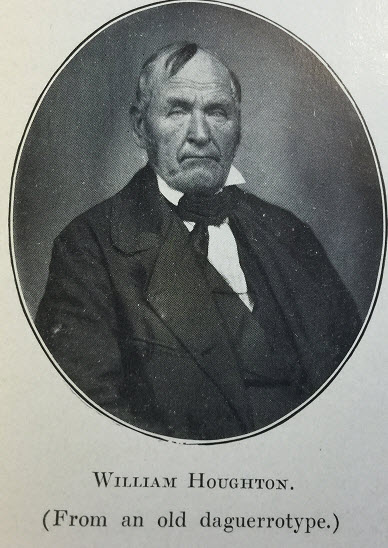
Family 1: Olive Adams b. 20 May 1786, d. 17 Jul 1840
- Marriage*: William Paxton Houghton married Olive Adams on Sep 2, 1807 at Northbridge, Worcester Co., MA, USA.5,9,3,6
- Lysander Adams Houghton+ b. 3 Sep 1808, d. 4 Jan 1878
- German Belmont Houghton+ b. 26 Mar 1811, d. b 1900
- Albert Gallatin Houghton+ b. 25 Nov 1815
- Tyler Houghton b. 31 Dec 1818, d. 25 Feb 1820
- Olive A. Houghton+ b. 1 Jun 1821, d. 1902
- Charles F. Houghton+ b. 20 Sep 1824, d. 2 Mar 1912
- Merrick Houghton b. 1 May 1832, d. 5 Sep 1837
Family 2: Vesta Batcheller b. 11 Oct 1795, d. b 2 Aug 1856
- Marriage Bann: William Paxton Houghton and Vesta Batcheller declared their intentions of marriage on Mar 7, 1841 Northbridge, Worcester Co., MA, USA.3,14
- Marriage*: William Paxton Houghton married Vesta Batcheller on Mar 30, 1841 at Sutton, Worcester Co., MA, USA.13,14
Family 3: Lydia Bowker b. c 1808
- Marriage*: William Paxton Houghton married Lydia Bowker on Jan 13, 1857 at Worcester, Worcester Co., MA, USA, age 71 and 49, his third, her second.8
Citations
- [S1] Dr. John Wesley Houghton M.D., Houghton Genealogy of 1912, p. 368 #837.
- [S249] White, Geneal. Abstr. of Revol. War II, p. 1719.
- [S322] Northbridge MA VRs, p. 134.
- [S814] Marshall L. McClanahan, Houghton, John & Beatrix - MLM;, M, p. 78/79 #2265, 120.
- [S1] Dr. John Wesley Houghton M.D., Houghton Genealogy of 1912, p. 368.
- [S814] Marshall L. McClanahan, Houghton, John & Beatrix - MLM;, M, p. 78/79, 120.
- [S1229] 1880 U.S. Federal Census , Northbridge, Worcester, Massachusetts; Roll: T9_565; Family History Film: 1254565; Page: 80D; Enumeration District: 857; sheet 52, line 14, dwl 225-485.
- [S882] Ancestry.Com, online www.ancestry.com, Ancestry.com. Massachusetts, Town and Vital Records, 1620-1988 [database on-line]. Provo, UT, USA: Ancestry.com Operations, Inc., 2011.
Original data: Town and City Clerks of Massachusetts. Massachusetts Vital and Town Records. Provo, UT: Holbrook Research Institute (Jay and Delene Holbrook): line 32. - [S28] DAR Lineage Book, 45: 142.
- [S235] U.S. Census, 1830 US Census, Sutton, Worcester Co., MA, Box 68, p. 196.
- [S1224] 1830 U.S. Federal Census , Sutton, Worcester, Massachusetts; Roll: 68; Page: 196.
- [S1225] 1840 U.S. Federal Census , Northbridge, Worcester Co., Massachusetts; Roll: 200; Page: 308.
- [S323] Sutton MA VRs, p. 286.
- [S814] Marshall L. McClanahan, Houghton, John & Beatrix - MLM;, M, p. 120.
- [S1226] 1850 U.S. Federal Census , Northbridge, Worcester, Massachusetts; Roll: M432_345; Page: 155; line 12, dwl 10-10.
- [S1228] 1870 U.S. Federal Census , Sutton, Worcester Co., MA, Box 656, p. 84, line 21, dwl 412-550.
Olive Adams1
F, #8517, b. 20 May 1786, d. 17 July 1840
Family: William Paxton Houghton b. 4 Feb 1785, d. 30 Sep 1877
- Marriage*: Olive Adams married William Paxton Houghton, son of Zarah Houghton and Eleanor Derby, on Sep 2, 1807 at Northbridge, Worcester Co., MA, USA.2,5,6,7
- Lysander Adams Houghton+ b. 3 Sep 1808, d. 4 Jan 1878
- German Belmont Houghton+ b. 26 Mar 1811, d. b 1900
- Albert Gallatin Houghton+ b. 25 Nov 1815
- Tyler Houghton b. 31 Dec 1818, d. 25 Feb 1820
- Olive A. Houghton+ b. 1 Jun 1821, d. 1902
- Charles F. Houghton+ b. 20 Sep 1824, d. 2 Mar 1912
- Merrick Houghton b. 1 May 1832, d. 5 Sep 1837
Citations
- [S1] Dr. John Wesley Houghton M.D., Houghton Genealogy of 1912, p. 368 #837s.
- [S1] Dr. John Wesley Houghton M.D., Houghton Genealogy of 1912, p. 368.
- [S323] Sutton MA VRs, p. 93.
- [S814] Marshall L. McClanahan, Houghton, John & Beatrix - MLM;, M, p. 120.
- [S28] DAR Lineage Book, 45: 142.
- [S322] Northbridge MA VRs, p. 134.
- [S814] Marshall L. McClanahan, Houghton, John & Beatrix - MLM;, M, p. 78/79, 120.
- [S323] Sutton MA VRs, p. 432.
Capt. Israel Houghton Jr1,2,3
M, #8518, b. circa 1777, d. 10 February 1856
- Father*: Zarah Houghton4 b. 26 Jul 1751, d. 6 Oct 1829
- Mother*: Marcy Piper
Family 1: Lydia Grant d. 20 Jul 1827
- Marriage*: Capt. Israel Houghton Jr married Lydia Grant on Oct 21, 1802 at Petersham, Worcester Co., MA, USA.4,7,8,9
- George Augustus Houghton+2 b. 3 Sep 1809, d. 30 Aug 1867
Family 2: Fanny Hammond b. 14 Jun 1814
- Marriage*: Capt. Israel Houghton Jr married Fanny Hammond at Petersham, Worcester Co., MA, USA.4,7,5
Citations
- [S1] Dr. John Wesley Houghton M.D., Houghton Genealogy of 1912, p. 369 #838.
- [S70] Vital Records of Petersham MA, p. 32.
- [S814] Marshall L. McClanahan, Houghton, John & Beatrix - MLM;, M, p. 78/79 #2266.
- [S1] Dr. John Wesley Houghton M.D., Houghton Genealogy of 1912, p. 369.
- [S814] Marshall L. McClanahan, Houghton, John & Beatrix - MLM;, M, p. 78/79.
- [S1485] Findagrave.com, online http://www.findagrave.com, https://www.findagrave.com/cgi-bin/fg.cgi
- [S70] Vital Records of Petersham MA, p. 111.
- [S814] Marshall L. McClanahan, Houghton, John & Beatrix - MLM;, M, p. 120.
- [S882] Ancestry.Com, online www.ancestry.com, http://search.ancestry.com/cgi-bin/sse.dll
- [S1222] 1810 U.S. Federal Census , Petersham, Worcester, Massachusetts; Roll: 22; Page: 886.
- [S235] U.S. Census, 1820 US Census, Petersham, Worcester Co., MA, p. 68.
- [S1224] 1830 U.S. Federal Census , Petersham, Worcester, Massachusetts; Roll: 68; Page: 369.
- [S814] Marshall L. McClanahan, Houghton, John & Beatrix - MLM;, M, p. 119.
Lydia Grant1
F, #8519, d. 20 July 1827
Family: Capt. Israel Houghton Jr b. c 1777, d. 10 Feb 1856
- Marriage*: Lydia Grant married Capt. Israel Houghton Jr, son of Zarah Houghton and Marcy Piper, on Oct 21, 1802 at Petersham, Worcester Co., MA, USA.2,3,4,5
- George Augustus Houghton+8 b. 3 Sep 1809, d. 30 Aug 1867
Citations
- [S546] John William Linzie, The History of Peter Parker and Sarah Ruggles of Roxbury, Massachusetts, p. 89.
- [S1] Dr. John Wesley Houghton M.D., Houghton Genealogy of 1912, p. 369.
- [S70] Vital Records of Petersham MA, p. 111.
- [S814] Marshall L. McClanahan, Houghton, John & Beatrix - MLM;, M, p. 120.
- [S882] Ancestry.Com, online www.ancestry.com, http://search.ancestry.com/cgi-bin/sse.dll
- [S1214] Rhode Island VRs, Town of Providence, RI.
- [S95] Newspaper, Deaths Reported in the Boston Recorder and Telegraph, 1827 and 1828.
- [S70] Vital Records of Petersham MA, p. 32.
Fanny Hammond1
F, #8520, b. 14 June 1814
Family: Capt. Israel Houghton Jr b. c 1777, d. 10 Feb 1856
- Marriage*: Fanny Hammond married Capt. Israel Houghton Jr, son of Zarah Houghton and Marcy Piper, at Petersham, Worcester Co., MA, USA.2,3,4
Citations
- [S1] Dr. John Wesley Houghton M.D., Houghton Genealogy of 1912, p. 369 #838s.
- [S1] Dr. John Wesley Houghton M.D., Houghton Genealogy of 1912, p. 369.
- [S70] Vital Records of Petersham MA, p. 111.
- [S814] Marshall L. McClanahan, Houghton, John & Beatrix - MLM;, M, p. 78/79.