
Avery-Hanson Genealogy - Person Sheet
Avery-Hanson Genealogy - Person Sheet
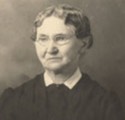


BurialStillwater MM, Belmont Co., OH, USA740
FatherElijah (2) HANSON Jr. (1797-1877)
MotherEliza STUBBS (1801-1877)
Spouses
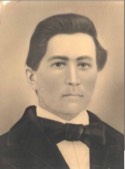
Birth23 Jul 1839743
Death15 Dec 1859743
BurialStillwater Friends Cem., Barnesville, Belmont Co., OH, USA743
FatherEzekial BUNDY (1807-1866)
MotherMaria Engle
Marriage30 Mar 1859, Stillwater MM, Belmont Co., OH, USA744
ChildrenMary Caleb (1860-1948)
Birth24 Feb 1823745
Death1 Dec 1866745
FatherWilliam BUNDY Sr. (1780-1828)
MotherSarah OVERMAN (ca1785-1853)
Marriage7 Dec 1864, Stillwater MH, Belmont Co., OH, USA746
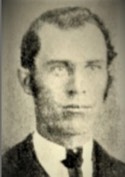
Birth12 Feb 1835740
Death2 Mar 1885, residence, near Barnesville, OH747
FatherJoseph STANTON
MotherMary HODGIN (-1857)
Marriage30 Jul 1873, Stillwater MH, Belmont Co., OH, USA740
ChildrenNathan Eli (1875-)
Notes for Deborah(2) H. HANSON
7/1/1839 b. Belmont Co., OH
3/30/1859 m. Caleb Bundy
12/15/1859 d. husband Caleb Bundy
2/3/1860 b. daughter Mary Caleb
12/7/1864 m. Chalkly Bundy
12/1/1866 death of husband Chalkly Bundy
6/18/1870 res Barnesville, Warren Twp, Belmont Co. OH 1870 census age 31 head of household 748
7/30/1873 m. Eli Stanton
1/26/1875 b. son Nathan
3/2/1885 death of husband Eli Stanton
6/6/1900 res Estherville, Emmet Co., Iowa 1900 census as mother age 61 of son and head of household Nathan Eli Stanton age 25 749
4/26/1910 res Estherville, Emmet Co., Iowa 1910 census, roomer age 71 in John Ross household 7501919 res 1027 Spring Ave N E, Canton Ohio
3/5/1920 res Townsend Rd., Osbaburg, Stark Co., Ohio in 1920 census as Mother-in-law age 81 of Thompson Smith head of household age 54 with wife Mary age 60, son William T age 26, daughter Mary Webster age 28, son-in-law Harlan Webster age 30 and grandson Willis W. Webster age 5
4/25/1926 d. Belmont Co., OH
The following was written by Deborah(2) Hanson Bundy Stanton. When she refers to: “Grandfather Hanson”, she means Elijah(1) Hinson/Hanson. “Grandmother” was Susannah Scriven Hinson/Hanson.
My Grandfather Hanson was a soldier in the Revolutionary War. He died soon after my father was born in 1797. In 1805 grandmother moved with her family from North Carolina to Belmont County, Ohio. The mode of travel then was in covered wagons drawn by horses. Their wagoners were hired and, as was customary, had bells on their horses. Before entering the mountains the bells were muffled and hidden in the wagon. Later they came upon some other wagoners, who were stalled in the mountains; they hauled them out and stripped them of their bells, that being their trophy for the help given.
My mother came from Georgia and settled near Stillwater Meeting, Ohio. My father and mother were married in that meeting and lived in that neighborhood the remainder of their
lives. My father's wedding pantaloons were, as he called them, "buckskin breeches" and he made his shoes of what he called "upper leather." He wore no gloves, and I do not know of what material his coat and hat were made. Mother's wedding dress was of white material, and she wore a white shawl and white silk bonnet to match.
They went to housekeeping in the woods on the Leatherwood hills west of Barnesville. Morher had inherited forty acres of woodland and father cleared the land as fast as he could. They had a log house, barn, and other buildings. The floors of the house were split logs—puncheon floors, as they were called—one side as smooth as could be hewn with an ax. Nevertheless, mother often had to pick splinters out of the little boys' feet. The house was covered with clapboards.
The newly cleared cornfields, surrounded as they were by timber, were almost overrun with squirrels. In order that they should not have too big a share of the crop, cow-bells were tied to the little boys and they were sent around the fields to frighten away the squirrels and the birds. This was a combination of work and play for the boys. The woods, thick with pea vines and undergrowth, made it necessary also to "bell the cows”, so that they could be located at milking time.
My father was a good marksman and often brought home wild turkey, squirrels, pheasants, and sometimes a doe or a buck.
In those early times much of the materials used were manufactured at home. They carded the wool on hand-cards and spun it on spinning wheels. My mother, who did not have a loom for weaving at home, walked a mile to a neighbor's to use her loom. In these trips she carried a baby on her arm and led little brother. They also grew much flax, which the men would break, scutch, and hackle all the coarse from the fine. The women would spin it on small spinning wheels into sewing thread
weave it on looms into linen for table and bed linen and for handkerchiefs. My mother was a good needlewoman and a very rapid knitter. She could knit a pair of men's socks in the twentyfour
hours.
In order to clear the land for cultivation, the men cut splendid chestnut and walnut trees, split some into rails for fencing rolled the rest into piles and burned them to get rid of them. Today such would make very valuable lumber.
These kinds of employment were general in farm life then. My parents were the next generation from pioneers. They lived in comfortable homes in a simple way. I have heard my mother say that she remembered when there were but three houses in Barnesville, Ohio.
I remember when we had no cookstoves, only open fireplaces with cranes attached to the side of the wall of the fire chamber. A crane was pulled forward to hang our cooking vessels on the hooks or chains suspended from its arm, and then swung back over the fire. These cooking vessels were of three kinds, kettles, skillets, and Dutch ovens, all of which had legs two or three inches long on the bottom. In these we also baked our wheat and corn bread, pies and cakes. We would mould our bread dough into loaves and put it into the ovens and skillets to raise. The lids, which fitted them as neatly as our sugar-bowl lids fit today, were placed on the red-hot embers to heat. When the bread was light enough and the lids the right temperature, they were placed on the vessels and hot embers shoveled on top of them. Today I can almost hear mother saying, "Lift the lid and see how the bread is baking," for to me this was an actual experience.
I have heard my father tell of a circumstance that happened while he was yet a boy in his widowed mother's home: A stranger stopped at his mother's door and asked for lodging for the night. The request was granted and directions given for the care of his horse. When he came to the door with his saddlebags in hand he said, "Madam, take charge of my saddlebags until morning." Grandmother took hold of them and they dropped to the floor with a bang. She then said to the stranger, "I have a mind that I will not care for the bags and the contents. He replied, "When you gave me leave to stay over night in your house that was also a guarantee of protection to my belongings. The bags were heavy with money with which to buy a new home, for the man was a prospector. She was a frail woman, but she picked them up, carried them across the room, took a key hanging at her side, unlocked a large chest, dropped the bags into it, locked it and went about her duties. The next morning When the stranger was ready to depart, she presented the bags and said, "Thee had better examine them and see if all is right” He replied, " I have no need to, with you they were safe. Youare a Quaker."
The early settlers often had wild turkey or venison, but in turn for these choice bits of meat procured from the forest, they had their enemy in the bears and wolves. The bears molested the pig pens and the wolves the young calves and sheep. Once Uncle Isaac Stubbs found, from tracks seen in a lightsnow, that a bear was molesting his premises. He and his dog started in pursuit with father close behind them. The latter lost sight of them after a half mile, but followed the tracks and found scattered along the way, first uncle's hat, then his " wammus " (blouse), his vest, and his shoes. Then he heard the report of a gun and soon came upon his brother and the dog with "bruin" lying dead at their feet.
DEBORAH H. B. STANTON. 295
3/30/1859 m. Caleb Bundy
12/15/1859 d. husband Caleb Bundy
2/3/1860 b. daughter Mary Caleb
12/7/1864 m. Chalkly Bundy
12/1/1866 death of husband Chalkly Bundy
6/18/1870 res Barnesville, Warren Twp, Belmont Co. OH 1870 census age 31 head of household 748
7/30/1873 m. Eli Stanton
1/26/1875 b. son Nathan
3/2/1885 death of husband Eli Stanton
6/6/1900 res Estherville, Emmet Co., Iowa 1900 census as mother age 61 of son and head of household Nathan Eli Stanton age 25 749
4/26/1910 res Estherville, Emmet Co., Iowa 1910 census, roomer age 71 in John Ross household 7501919 res 1027 Spring Ave N E, Canton Ohio
3/5/1920 res Townsend Rd., Osbaburg, Stark Co., Ohio in 1920 census as Mother-in-law age 81 of Thompson Smith head of household age 54 with wife Mary age 60, son William T age 26, daughter Mary Webster age 28, son-in-law Harlan Webster age 30 and grandson Willis W. Webster age 5
4/25/1926 d. Belmont Co., OH
The following was written by Deborah(2) Hanson Bundy Stanton. When she refers to: “Grandfather Hanson”, she means Elijah(1) Hinson/Hanson. “Grandmother” was Susannah Scriven Hinson/Hanson.
My Grandfather Hanson was a soldier in the Revolutionary War. He died soon after my father was born in 1797. In 1805 grandmother moved with her family from North Carolina to Belmont County, Ohio. The mode of travel then was in covered wagons drawn by horses. Their wagoners were hired and, as was customary, had bells on their horses. Before entering the mountains the bells were muffled and hidden in the wagon. Later they came upon some other wagoners, who were stalled in the mountains; they hauled them out and stripped them of their bells, that being their trophy for the help given.
My mother came from Georgia and settled near Stillwater Meeting, Ohio. My father and mother were married in that meeting and lived in that neighborhood the remainder of their
lives. My father's wedding pantaloons were, as he called them, "buckskin breeches" and he made his shoes of what he called "upper leather." He wore no gloves, and I do not know of what material his coat and hat were made. Mother's wedding dress was of white material, and she wore a white shawl and white silk bonnet to match.
They went to housekeeping in the woods on the Leatherwood hills west of Barnesville. Morher had inherited forty acres of woodland and father cleared the land as fast as he could. They had a log house, barn, and other buildings. The floors of the house were split logs—puncheon floors, as they were called—one side as smooth as could be hewn with an ax. Nevertheless, mother often had to pick splinters out of the little boys' feet. The house was covered with clapboards.
The newly cleared cornfields, surrounded as they were by timber, were almost overrun with squirrels. In order that they should not have too big a share of the crop, cow-bells were tied to the little boys and they were sent around the fields to frighten away the squirrels and the birds. This was a combination of work and play for the boys. The woods, thick with pea vines and undergrowth, made it necessary also to "bell the cows”, so that they could be located at milking time.
My father was a good marksman and often brought home wild turkey, squirrels, pheasants, and sometimes a doe or a buck.
In those early times much of the materials used were manufactured at home. They carded the wool on hand-cards and spun it on spinning wheels. My mother, who did not have a loom for weaving at home, walked a mile to a neighbor's to use her loom. In these trips she carried a baby on her arm and led little brother. They also grew much flax, which the men would break, scutch, and hackle all the coarse from the fine. The women would spin it on small spinning wheels into sewing thread
weave it on looms into linen for table and bed linen and for handkerchiefs. My mother was a good needlewoman and a very rapid knitter. She could knit a pair of men's socks in the twentyfour
hours.
In order to clear the land for cultivation, the men cut splendid chestnut and walnut trees, split some into rails for fencing rolled the rest into piles and burned them to get rid of them. Today such would make very valuable lumber.
These kinds of employment were general in farm life then. My parents were the next generation from pioneers. They lived in comfortable homes in a simple way. I have heard my mother say that she remembered when there were but three houses in Barnesville, Ohio.
I remember when we had no cookstoves, only open fireplaces with cranes attached to the side of the wall of the fire chamber. A crane was pulled forward to hang our cooking vessels on the hooks or chains suspended from its arm, and then swung back over the fire. These cooking vessels were of three kinds, kettles, skillets, and Dutch ovens, all of which had legs two or three inches long on the bottom. In these we also baked our wheat and corn bread, pies and cakes. We would mould our bread dough into loaves and put it into the ovens and skillets to raise. The lids, which fitted them as neatly as our sugar-bowl lids fit today, were placed on the red-hot embers to heat. When the bread was light enough and the lids the right temperature, they were placed on the vessels and hot embers shoveled on top of them. Today I can almost hear mother saying, "Lift the lid and see how the bread is baking," for to me this was an actual experience.
I have heard my father tell of a circumstance that happened while he was yet a boy in his widowed mother's home: A stranger stopped at his mother's door and asked for lodging for the night. The request was granted and directions given for the care of his horse. When he came to the door with his saddlebags in hand he said, "Madam, take charge of my saddlebags until morning." Grandmother took hold of them and they dropped to the floor with a bang. She then said to the stranger, "I have a mind that I will not care for the bags and the contents. He replied, "When you gave me leave to stay over night in your house that was also a guarantee of protection to my belongings. The bags were heavy with money with which to buy a new home, for the man was a prospector. She was a frail woman, but she picked them up, carried them across the room, took a key hanging at her side, unlocked a large chest, dropped the bags into it, locked it and went about her duties. The next morning When the stranger was ready to depart, she presented the bags and said, "Thee had better examine them and see if all is right” He replied, " I have no need to, with you they were safe. Youare a Quaker."
The early settlers often had wild turkey or venison, but in turn for these choice bits of meat procured from the forest, they had their enemy in the bears and wolves. The bears molested the pig pens and the wolves the young calves and sheep. Once Uncle Isaac Stubbs found, from tracks seen in a lightsnow, that a bear was molesting his premises. He and his dog started in pursuit with father close behind them. The latter lost sight of them after a half mile, but followed the tracks and found scattered along the way, first uncle's hat, then his " wammus " (blouse), his vest, and his shoes. Then he heard the report of a gun and soon came upon his brother and the dog with "bruin" lying dead at their feet.
DEBORAH H. B. STANTON. 295