
Avery-Hanson Genealogy - Person Sheet
Avery-Hanson Genealogy - Person Sheet
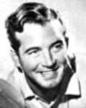
NameJohn Howard PAYNE 

Death6 Dec 1989, 6363 Delaplane Rd., Malibu, CA714
Burial1991, Roanoke, VA
Occupationactor, 80 movies & 1958 TV show, “The Restless Gun” as Vint Bonner, civil war vet.
EducationBroad St. Elem. school; Lewis H.S., Mercerburg Academy, PA;Roanoke College, Columbia. Studied voice at Juliard.714
FatherGeorge Washington PAYNE (1864-1930)
MotherIda Hope SHAEFFER (SHAFFER) (1883->1930)
Notes for John Howard PAYNE
He was born into a family of wealth to George Washington Payne, a millionaire real estate developer and farmer, and his wife, Ida Schaeffer Payne, on May 28, 1912, in Roanoke, Virginia. He was the second of three sons and was named John Howard Payne. Along with his brothers Peter and Robert, he grew up on an estate in Virginia, complete with grounds, stables, and swimming pool.
~1915: Childhood friend of Robert Avery 17
1920: 1106 Franklin Rd, Roanoke, VA 715
1955: Family moved to Salem, VA on property named Ft. Lewis in 1757 in an 1825 brick plantation home. 113
With the Wall Street crash in 1929, the family's fortune evaporated, and Payne's father died just a few months later. He enrolled at Columbia University in the fall of 1930; to support himself, he took on a variety of odd jobs, including wrestling and singing in vaudeville. In 1934, he was spotted by a talent scout for the Schubert Theater and was given a a job as a stock player. He toured with several Schubert shows, and frequently picked up singing gigs on New York-based radio programs. In 1936, Payne was offered a contract by Samuel Goldwyn, and he immediately left New York for Hollywood. He made a couple of pictures while under contract to Goldwyn, but was quickly released from his contract. After being under contract to a few more studios, including Paramount and Warner Brothers, in 1940 he signed with Fox, where he achieved stardom in a number of early 1940s musical extravaganzas, such as Sun Valley Serenade and Weekend in Havana.
Payne's career starting picking up steam in the 1939; that year, he made four pictures, including Kid Nightingale, Indianapolis Speedway, The Royal Rodeo, and Wings of the Navy . In 1940, when he signed with Fox, he appeared in six films, mostly musicals. Throughout the early 1940s, Payne starred in a number of big-budget musicals, such as Springtime in the Rockies (1942) and Iceland (1942). But after completing filming of Hello, Frisco, Hello in late 1942, like many other actors John Payne decided to do his part for the war effort. He joined the Army Air Corps and became a flight instructor.
Payne returned to Hollywood after his discharge in 1944 to resume his career. However, by the end of World War II, the popularity of musicals was declining. Following the war, Payne made several dramas , including his best-known film “Miracle on 34th Street” (1947) with Maureen O'Hara and Natalie Wood and “Captain China” in 1950. Payne left Fox to do other parts shortly after completing this film.
By the early 1950s, Payne had once again signed with Paramount and established himself as a western star in El Paso (1950), Passage West (1951), The Blazing Forest (1952), and Rails into Laramie (1954). He also made several film noir thrillers, including Kansas City Confidential (1952), 99 River Street (1953), and Slightly Scarlet (1956).
In 1956, John Payne formed his own production company, Window Productions, which was responsible for the release of The Boss (1956). Window Productions also produced Payne's 1957 through 1959 western TV series The Restless Gun, which aired on NBC.
In total, John Payne appeared in 80 films.
On March 1, 1961714, Payne was seriously injured when a car hit him on a busy New York street. He nearly died as a result of the accident, and it took him three years to recooperate. His career lost most of its momentum, and he worked relatively little afterwards, making only two films and a few TV appearances in the late 1960s and early 1970s. By the mid 1970s, he hung up his spurs and retired. John Payne passed away in 1989 at the age of 77.
Named for John Howard PAYNE his Great-Grandfather113 or Great Uncle714 and dramatist, ambassador and song writer of “Home Sweet Home”.
~1915: Childhood friend of Robert Avery 17
1920: 1106 Franklin Rd, Roanoke, VA 715
1955: Family moved to Salem, VA on property named Ft. Lewis in 1757 in an 1825 brick plantation home. 113
With the Wall Street crash in 1929, the family's fortune evaporated, and Payne's father died just a few months later. He enrolled at Columbia University in the fall of 1930; to support himself, he took on a variety of odd jobs, including wrestling and singing in vaudeville. In 1934, he was spotted by a talent scout for the Schubert Theater and was given a a job as a stock player. He toured with several Schubert shows, and frequently picked up singing gigs on New York-based radio programs. In 1936, Payne was offered a contract by Samuel Goldwyn, and he immediately left New York for Hollywood. He made a couple of pictures while under contract to Goldwyn, but was quickly released from his contract. After being under contract to a few more studios, including Paramount and Warner Brothers, in 1940 he signed with Fox, where he achieved stardom in a number of early 1940s musical extravaganzas, such as Sun Valley Serenade and Weekend in Havana.
Payne's career starting picking up steam in the 1939; that year, he made four pictures, including Kid Nightingale, Indianapolis Speedway, The Royal Rodeo, and Wings of the Navy . In 1940, when he signed with Fox, he appeared in six films, mostly musicals. Throughout the early 1940s, Payne starred in a number of big-budget musicals, such as Springtime in the Rockies (1942) and Iceland (1942). But after completing filming of Hello, Frisco, Hello in late 1942, like many other actors John Payne decided to do his part for the war effort. He joined the Army Air Corps and became a flight instructor.
Payne returned to Hollywood after his discharge in 1944 to resume his career. However, by the end of World War II, the popularity of musicals was declining. Following the war, Payne made several dramas , including his best-known film “Miracle on 34th Street” (1947) with Maureen O'Hara and Natalie Wood and “Captain China” in 1950. Payne left Fox to do other parts shortly after completing this film.
By the early 1950s, Payne had once again signed with Paramount and established himself as a western star in El Paso (1950), Passage West (1951), The Blazing Forest (1952), and Rails into Laramie (1954). He also made several film noir thrillers, including Kansas City Confidential (1952), 99 River Street (1953), and Slightly Scarlet (1956).
In 1956, John Payne formed his own production company, Window Productions, which was responsible for the release of The Boss (1956). Window Productions also produced Payne's 1957 through 1959 western TV series The Restless Gun, which aired on NBC.
In total, John Payne appeared in 80 films.
On March 1, 1961714, Payne was seriously injured when a car hit him on a busy New York street. He nearly died as a result of the accident, and it took him three years to recooperate. His career lost most of its momentum, and he worked relatively little afterwards, making only two films and a few TV appearances in the late 1960s and early 1970s. By the mid 1970s, he hung up his spurs and retired. John Payne passed away in 1989 at the age of 77.
Named for John Howard PAYNE his Great-Grandfather113 or Great Uncle714 and dramatist, ambassador and song writer of “Home Sweet Home”.